
TryBeam: A Simple Guide to Beam Design and Analysis
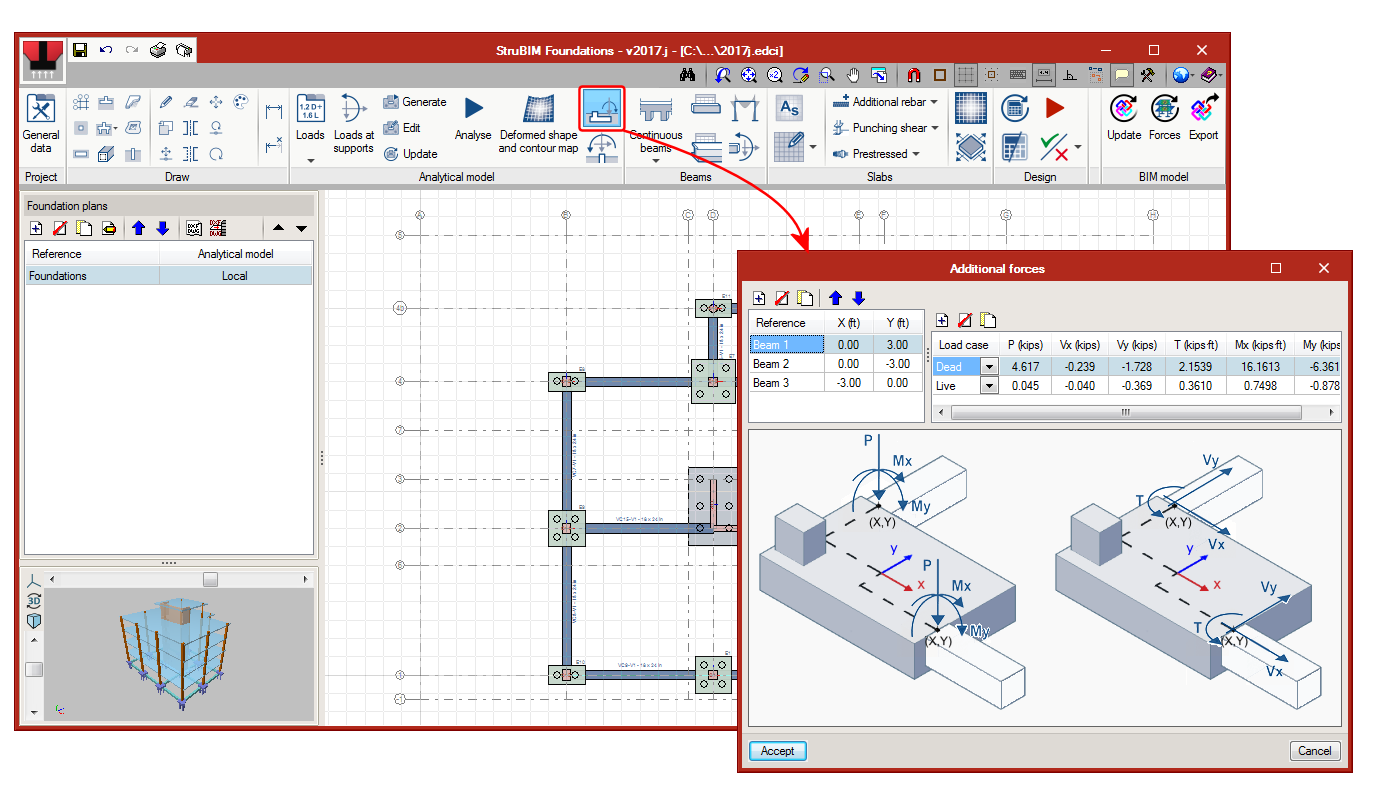
In the world of construction and structural engineering, tools that simplify complex calculations are becoming more important every day. One such tool is TryBeam, which helps users design and analyze beams quickly and efficiently. Whether you are a student, engineer, or beginner, understanding TryBeam can make your work easier and more accurate.
This article covers everything you need to know about TryBeam, including its features, benefits, working process, and why it is gaining popularity.
What is TryBeam?
TryBeam is a digital tool designed to help users create and analyze beam structures without doing complex manual calculations. It simplifies engineering tasks by allowing users to input basic data and receive instant results.
Instead of solving formulas by hand, TryBeam performs calculations automatically and shows how a beam will behave under different conditions.
How TryBeam Works
TryBeam uses built-in engineering formulas and simulation techniques to analyze beam performance.
Basic Steps:
- Enter Beam Details
- Length
- Material type
- Load conditions
- Run Analysis
- Calculates stress and forces
- Determines bending and deflection
- View Results
- Graphs and diagrams
- Performance data
- Optimize Design
- Adjust inputs to improve results
This process helps users save time and reduce errors.
Key Features of TryBeam
1. Easy to Use
The interface is simple, making it ideal for beginners.
2. Fast Calculations
Provides quick results without manual effort.
3. Real-Time Simulation
Instantly shows how changes affect the beam.
4. Visual Representation
Graphs make it easier to understand structural behavior.
5. Lightweight Tool
Runs smoothly on most devices.
Benefits of Using TryBeam
1. Saves Time
No need for long manual calculations.
2. Improves Accuracy
Reduces chances of human error.
3. Beginner-Friendly
Perfect for students and new engineers.
4. Cost-Effective
Helps optimize materials and reduce waste.
5. Enhances Learning
Visual outputs help in understanding concepts better.
Who Should Use TryBeam?
TryBeam is suitable for:
- Civil engineering students
- Structural engineers
- Architects
- Beginners learning beam design
- Professionals needing quick calculations
Limitations of TryBeam
While TryBeam is very useful, it has some limitations:
- Not ideal for highly complex structures
- Limited advanced features
- Requires basic engineering understanding
For complex projects, advanced tools like STAAD.Pro or SAP2000 may be more suitable.
Final Thoughts
TryBeam is a powerful yet simple solution for beam design and analysis. It helps users perform accurate calculations quickly while reducing the complexity of traditional methods. Whether you are learning structural engineering or working on small projects, TryBeam can be a valuable tool.
While it may not replace advanced engineering software, it is perfect for basic design, quick analysis, and educational purposes.
Frequently Asked Questions (FAQs)
1. What is TryBeam used for?
TryBeam is used to design and analyze beams in construction projects, helping calculate load capacity and performance.
2. Is TryBeam suitable for beginners?
Yes, TryBeam is easy to use and ideal for students and beginners.
3. Is TryBeam free?
Some versions may be free, while advanced features might require payment.
4. Can TryBeam replace professional software?
No, it is best for basic use. Complex projects need advanced tools like STAAD.Pro.
5. How accurate is TryBeam?
TryBeam provides accurate results based on input data, but important designs should always be verified.