
Laser Hair Removal Explained: Risks, Results, and Who Should Avoid It
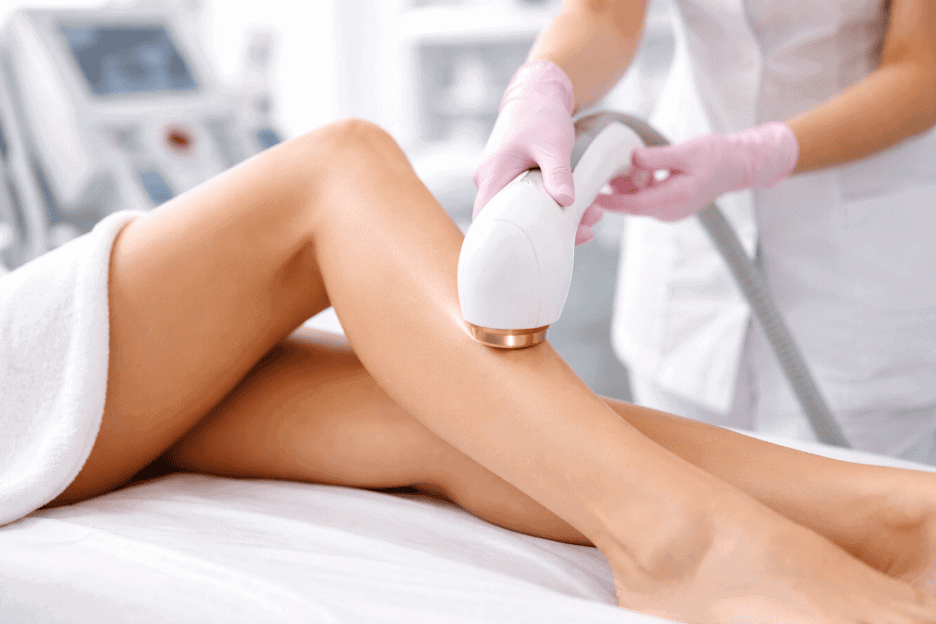
Unwanted hair growth is a common concern for both men and women. While shaving, waxing, threading, and depilatory creams remain widely used, many people now seek longer-lasting, more practical, and less time-consuming solutions. Laser hair removal has become one of the most discussed aesthetic procedures because it offers a more targeted and long-term approach to reducing unwanted hair.
However, despite its popularity, there is still considerable confusion about laser treatments. Questions about safety, skin type compatibility, pain levels, side effects, and expected results are common, especially among people considering the procedure for the first time.
Understanding how laser hair removal works, who may benefit from it, and when it may not be suitable is important before starting treatment. A qualified and experienced skin specialist can help determine whether the procedure is appropriate based on skin tone, hair type, medical history, and treatment goals.
What Is Laser Hair Removal?
Laser hair removal is a non-surgical cosmetic procedure that uses concentrated light energy to target hair follicles beneath the skin. The pigment in the hair absorbs the laser energy, damaging the follicle and reducing future hair growth.
The treatment does not usually remove all hair permanently after one session. Instead, it significantly reduces hair growth over time through multiple sessions scheduled to align with the body’s hair growth cycle.
Laser procedures are commonly performed on areas such as:
- Laser for Face
- Laser for Underarms
- Laser for Arms
- Laser for Legs
- Laser for Chest
- Laser for Back
- Laser for Bikini area
- Laser for Neck
The effectiveness of treatment depends on several factors, including the type of laser used, skin tone, hair thickness, hormonal influences, and the treating professional’s expertise.
People looking for guidance from a dermatologist often seek a detailed consultation before deciding which laser treatment is suitable for their skin type and hair characteristics.
How Laser Hair Removal Works
Hair grows in cycles, and laser devices are most effective during the active growth phase, the anagen phase. Since not all hair follicles are active at the same time, multiple sessions are required to target different follicles at different points in their growth cycle.
During the laser treatment:
- The laser emits controlled pulses of light.
- Melanin in the hair absorbs the energy.
- Heat damages the follicle.
- Future hair growth slows down significantly.
Modern laser systems are designed to minimize damage to surrounding skin tissue while targeting the follicle itself. Cooling mechanisms are also commonly used to improve comfort and reduce irritation.
Different Types of Laser Hair Removal Technologies
Several laser technologies are used in aesthetic dermatology. The choice depends largely on skin tone, hair thickness, and treatment area.
Alexandrite Laser
The Alexandrite laser is commonly used for lighter skin tones and works effectively on fine to medium hair. It is known for faster treatment speed but may not always be ideal for darker skin types due to a higher risk of pigmentation issues.
Diode Laser
Diode lasers are widely used because they can treat a broader range of skin types. They are particularly effective for medium to darker skin tones and often provide deeper penetration into hair follicles.
Nd:YAG Laser
Nd:YAG lasers are considered safer for darker skin tones because they bypass much of the skin’s surface pigment and target deeper follicles. This technology is frequently recommended for South Asian and deeper complexions.
IPL (Intense Pulsed Light)
Although commonly grouped with laser procedures, IPL is technically not a laser. It uses broad-spectrum light instead of a single wavelength. IPL may help reduce hair growth in some individuals, but results and safety can vary depending on skin tone and operator experience.
Does Laser Hair Removal Work for All Skin Types?
Advancements in dermatology and laser technology have improved treatment safety for different skin tones. However, not all lasers are equally suitable for every individual.
Fair Skin with Dark Hair
This combination generally responds best because the laser can easily distinguish the darker hair pigment from the lighter surrounding skin.
Medium and Olive Skin Tones
People with medium or olive complexions often require careful laser selection and customized energy settings to reduce the risk of burns or pigmentation changes.
Darker Skin Tones
Darker skin contains more melanin, which can increase the likelihood of side effects if inappropriate laser settings are used. Nd:YAG systems are often preferred because they are considered safer for deeper skin tones.
Since South Asian skin may react differently to heat-based procedures, treatment planning should ideally be done by an experienced skin specialist familiar with pigmentation-related risks and post-inflammatory reactions.
What are the Benefits of Laser Hair Removal?
Laser hair removal offers several practical advantages compared to temporary hair removal methods.
Long-Term Hair Reduction
Many individuals experience a significant reduction in hair growth after completing recommended sessions. Hair that regrows may also become finer and lighter.
Reduced Ingrown Hairs
Laser procedures may help people who frequently develop ingrown hairs after shaving or waxing, especially in sensitive areas.
Improved Convenience
The need for frequent shaving or waxing may decrease considerably, making maintenance easier over time.
Precision
When properly performed, lasers can selectively target darker hair follicles without affecting the surrounding skin.
Time Efficiency
Large body areas, such as legs or back, can often be treated relatively quickly using advanced systems.
What are the Common Side Effects and Risks of Laser Hair Removal?
Like all cosmetic procedures, laser hair removal carries potential risks and side effects. While many are temporary, proper patient selection and professional supervision remain important.
Temporary Redness and Swelling
Mild redness and perifollicular swelling are common shortly after treatment and usually settle within hours or days.
Skin Sensitivity
Some individuals may experience temporary irritation or warmth in treated areas.
Pigmentation Changes
Hyperpigmentation or hypopigmentation can occur, particularly in darker skin tones or when aftercare instructions are not followed properly.
Burns and Blistering
Improper laser settings, unqualified operators, or unsuitable devices can increase the risk of burns and blistering.
Inconsistent Results
Hormonal conditions such as PCOS may influence treatment outcomes and require additional sessions.
This is one reason many patients prefer consulting an experienced, qualified dermatologist before undergoing any laser-based procedure. Verified patient experiences and clinic information can also be reviewed on the clinic’s Google Business Profile.
Who Should Avoid Laser Hair Removal?
Laser hair removal may not be appropriate for everyone.
A consultation is especially important for individuals with:
- Active skin infections
- Open wounds
- Severe acne in treatment areas
- Certain autoimmune conditions
- Recent tanning or sunburn
- Photosensitive disorders
- History of keloid scarring
- Pregnancy-related skin sensitivity concerns
People using medications that increase light sensitivity should also inform their doctor before treatment.
Preparing for Laser Hair Removal
Preparation plays an important role in the safety and effectiveness of treatment.
Patients are commonly advised to:
- Avoid sun exposure before sessions
- Stop waxing or plucking several weeks before treatment
- Shave the area before appointments if instructed
- Avoid strong exfoliants or retinoids temporarily
- Inform the dermatologist about medications or hormonal conditions
Following pre-treatment instructions carefully may help reduce complications and improve results.
What to Expect After Treatment
Post-treatment care is equally important.
After laser sessions, patients are usually advised to:
- Avoid excessive sun exposure
- Use sunscreen regularly
- Avoid hot showers or saunas temporarily
- Refrain from scratching or irritating the skin
- Follow all aftercare guidance provided by the clinic
Hair shedding may continue for several days or weeks after treatment, which is considered a normal part of the process.
Why Professional Evaluation Matters
Laser procedures are highly operator-dependent. The safety and effectiveness of treatment can vary significantly depending on:
- Laser selection
- Skin assessment
- Energy settings
- Medical supervision
- Experience with different skin tones
This becomes especially important in populations with medium to darker skin complexions, where pigmentation risks require careful handling.
A thorough dermatological evaluation can help identify underlying skin conditions, determine realistic expectations, and reduce the likelihood of avoidable complications.
Final Thoughts
Laser hair removal has become a widely used option for long-term hair reduction, but successful outcomes depend on much more than the device itself. Skin type, hair characteristics, medical history, hormonal influences, and professional expertise all play a role in treatment safety and effectiveness.
While many individuals achieve satisfactory results, laser procedures should not be approached as one-size-fits-all treatments. Understanding both the benefits and limitations of laser technology helps patients make informed decisions and avoid unrealistic expectations.
Consulting a qualified dermatologist with experience in laser-based procedures and South Asian skin types can help ensure that treatment plans are safer, more personalized, and medically appropriate.