
Panera Bread vs Mie Gacoan: What Fast-Casual Dining Looks Like on Two Sides of the World
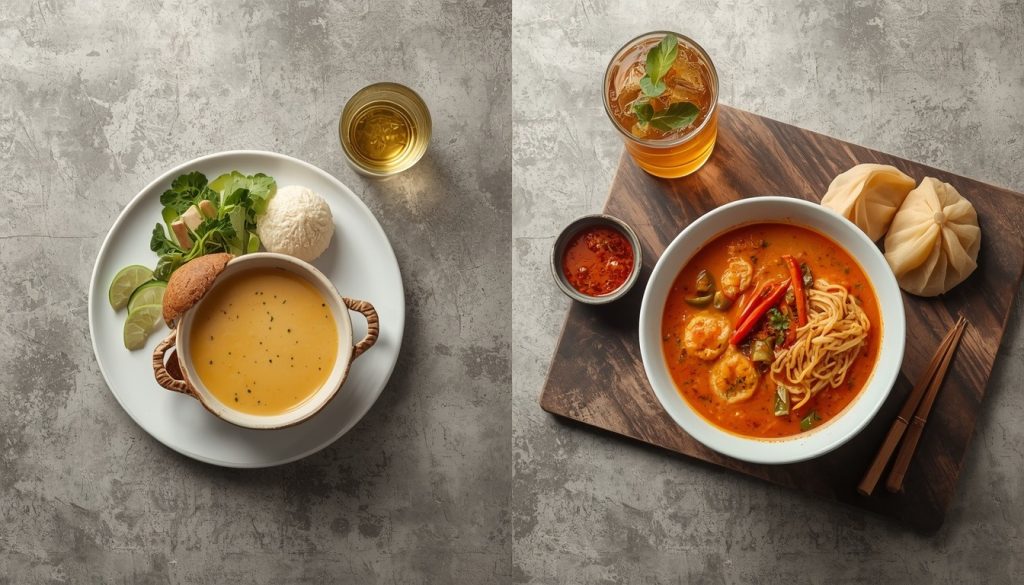
Fast-casual dining is one of the most interesting restaurant categories in the world because it looks completely different depending on where you are. In the United States, the concept often means health-forward sandwiches, grain bowls, and artisan soups served in a comfortable café setting. In Indonesia, it can mean a massive bowl of aggressively spicy noodles served at prices that would not cover a cup of coffee in most American cities. Panera Bread and Mie Gacoan are two chains that perfectly illustrate how the same basic business idea — quality food at accessible prices with fast service — gets interpreted through completely different cultural and economic lenses. Comparing the two reveals fascinating differences in how people around the world think about eating out on a budget.
Panera Bread: America’s Health-Conscious Café Chain
Panera Bread has positioned itself as the thinking person’s fast-food option in the United States. With over 2,100 locations across the country, the chain built its brand on the promise of clean ingredients, transparent nutritional information, and a menu that caters to people who actually care about what goes into their bodies. The bakery-café atmosphere sets it apart from typical fast-food environments — comfortable seating, warm lighting, the smell of fresh bread baking, and free Wi-Fi create a space where customers genuinely want to spend time beyond just eating their meal.
The panera bread menu is designed around variety and dietary flexibility. You can order a classic broccoli cheddar soup in a bread bowl for a comfort food experience, or pivot to a Mediterranean grain bowl with quinoa and arugula if you are watching your macros. The You Pick Two combo format lets you pair a half sandwich with a cup of soup or a half salad, giving solo diners a way to sample multiple items without committing to a single large entrée. Seasonal rotations keep the menu fresh — the autumn squash soup, summer strawberry poppyseed salad, and winter holiday cookie lineup have all developed dedicated followings among regular customers.
Pricing lands in the ten-to-fourteen dollar range for a typical meal, which positions Panera at the upper end of fast-casual but well below sit-down restaurant territory. The Unlimited Sip Club subscription adds value for daily visitors by covering unlimited coffee, tea, and lemonade for a flat monthly fee.
Mie Gacoan: Indonesia’s Street Noodle Empire
Mie Gacoan took a completely different path to fast-casual success. Founded in Malang, East Java, the chain exploded across Indonesia by mastering a single category: spicy noodles at impossibly low prices. Where Panera tries to be everything to everyone with a broad menu, Mie Gacoan went narrow and deep, perfecting a focused offering of noodles in various preparations, steamed and fried dimsum, and a handful of drinks.
The menu mie gacoan is built around a spice level system that has become a cultural phenomenon in its own right. Customers choose their heat level on a numerical scale, with the mildest options offering a gentle warmth and the infamous Iblis (devil) level delivering the kind of searing heat that generates viral social media reaction videos. Young Indonesians treat the spice challenge as a social event — friends dare each other to go higher, film the results, and share them across TikTok and Instagram. This built-in social media engine has been one of the chain’s most powerful marketing tools, generating millions of impressions without spending a rupiah on traditional advertising.
A complete meal at Mie Gacoan — noodles, several pieces of dimsum, and a cold drink — rarely exceeds 30,000 Indonesian rupiah, which works out to less than two US dollars. Even by Indonesian standards, where street food is famously affordable, this pricing is remarkably competitive for a restaurant chain that offers indoor seating, consistent quality, and air conditioning.
The Price Gap: A Study in Economic Context
The most striking difference between these two chains is the price gap, and understanding it requires looking beyond simple currency conversion. A typical Panera meal costs roughly seven to eight times what a comparable Mie Gacoan meal costs in dollar terms. But the more meaningful comparison considers local purchasing power.
For an average American worker earning the federal minimum wage, a Panera lunch represents approximately ninety minutes of pre-tax earnings. For an average Indonesian worker earning the minimum wage in a major Javanese city, a Mie Gacoan meal represents roughly fifteen to twenty minutes of earnings. By that measure, Mie Gacoan is actually delivering better relative value within its own economic context — the meal takes a smaller bite out of the average customer’s daily income.
Both chains achieve their pricing through similar operational strategies: high customer volume, streamlined kitchen processes, limited menu complexity that reduces ingredient waste, and strategic real estate choices. The fundamental business logic is universal even when the price tags look completely different.
Atmosphere and the Social Experience
Panera functions primarily as a third space — somewhere between home and office where people can eat, work, study, or socialize in comfort. The café atmosphere, reliable Wi-Fi, and abundant electrical outlets make it a favorite of remote workers, college students, and anyone who needs a change of scenery during the workday. Many customers spend an hour or more per visit, and Panera actively encourages this behavior because longer visits often lead to additional purchases.
Mie Gacoan’s atmosphere is built around communal energy rather than quiet productivity. The bold red-and-black branding creates visual impact, the communal seating encourages group dining, and the spice challenge culture gives every visit an element of shared excitement. Weekend queues stretching down the sidewalk are common at popular locations, and the wait itself has become part of the social ritual. Where Panera invites you to linger alone with your laptop, Mie Gacoan pulls you into a collective experience with everyone around you.
What Travelers Can Learn from Both Chains
For American travelers heading to Indonesia, Mie Gacoan offers one of the most authentic and affordable local dining experiences available anywhere in the country. Check the menu mie gacoan before your visit, start at a moderate spice level, and prepare to be impressed by how much food and flavor you receive for less than the cost of a single coffee at home.
For Indonesian travelers or international visitors in the United States, Panera provides a comfortable and predictable dining option that represents mainstream American fast-casual culture without the grease and guilt of traditional fast food. Browse the panera bread menu online to find low-calorie options or seasonal specials before you visit.
What makes this comparison genuinely interesting is not which chain is better — that question does not have a meaningful answer when the contexts are so different. The interesting insight is how both chains solved the same fundamental problem — serving quality food quickly at accessible prices — using strategies that perfectly fit their local markets. Great fast-casual dining is not about copying a formula. It is about understanding what your specific customers value and delivering it with consistency and care.