
The Truth About Weight Loss for Women After 60
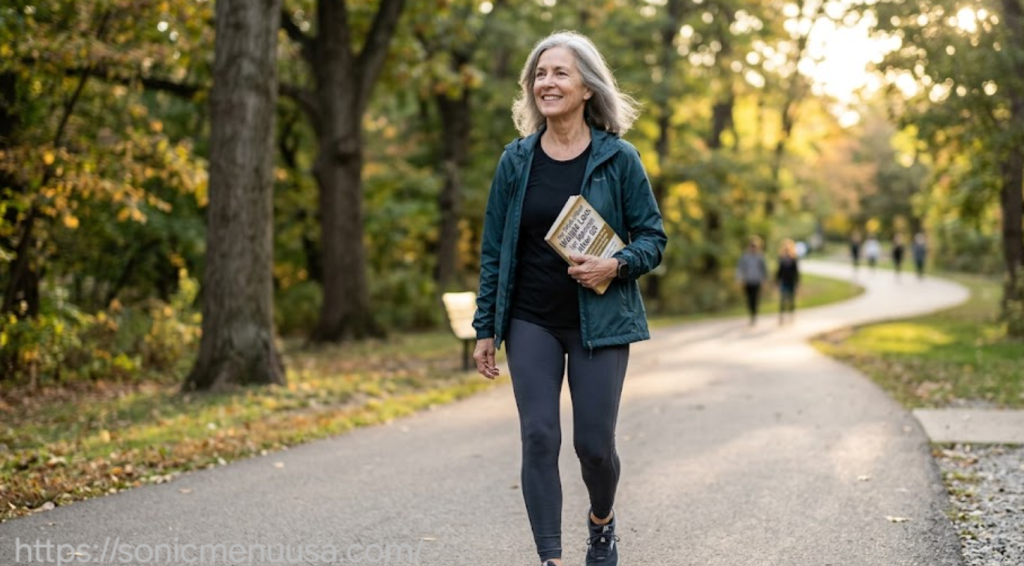
Finding the best diet for women over 60 is increasingly important as 44.3 percent of people ages 40 to 59, and 41.5 percent of those 60 and older, are already considered obese. I understand this challenge personally, as weight loss becomes notably more difficult with age, though this rate naturally declines around age 60.
medical weight loss for women over 60 comes with unique obstacles. Your metabolism slows due to decreased muscle mass and increased fat proportion. Additionally, for women, body fat tends to shift to the abdomen after menopause, creating more health concerns. In fact, according to the American Heart Association, even people at a healthy weight have a higher risk of heart disease if they carry most fat in their abdomen.
How to lose weight after 60 requires different approaches than those that worked in your younger years. The risks of carrying extra weight are significant, as being overweight or obese can lead to eye disease, type 2 diabetes, heart disease, stroke, osteoarthritis, body pain and even cognitive impairment. For women specifically, a waist measurement exceeding 35 inches signals an unhealthy amount of belly fat and greater health risks.
In this article, I will share effective weight loss strategies specifically designed for females over 60. We’ll explore metabolism changes, examine why certain diets work better for older women, and discover exercise approaches that account for your changing body. Weight loss is still possible at this stage of life, though it requires understanding the unique needs of your aging body.
Understanding the phases of menopause helps women recognize physical and emotional changes throughout midlife. Learning about each phase allows better preparation, symptom management, and informed healthcare decisions. Regular medical guidance, healthy habits, and lifestyle adjustments can make this natural transition more comfortable while supporting long-term overall wellness and confidence.
Why Weight Loss Changes After 60
The body undergoes significant changes after age 60 that make weight management more challenging for women. Understanding these changes helps in creating effective weight loss strategies.
Slower metabolism and calorie burn
After age 60, your body’s energy requirements naturally decline. Research shows that total energy expenditure decreases by approximately 0.7% per year after age 63. For women in their 90s, metabolic rate drops about 26% below that of middle-aged adults. This means your body simply burns fewer calories at rest than it once did.
Consequently, the same calorie intake that maintained your weight in your 40s will likely cause weight gain in your 60s. The basal metabolic rate (BMR), which represents calories burned performing basic life-sustaining functions, makes up 60-70% of your daily energy expenditure.
Muscle loss and its impact on fat storage
One primary reason weight loss becomes harder is sarcopenia, the gradual loss of muscle mass and strength that comes with aging. Starting around age 35, muscle mass begins declining at approximately 3-8% per decade. Since muscle burns more calories than fat, this loss significantly reduces your metabolic rate.
Furthermore, sarcopenia affects more than just your weight; it impacts overall quality of life by reducing your ability to perform daily tasks and increases risk of falls and fractures. The decline in strength (2.5-4% per year) exceeds the rate of muscle loss (1% per year), highlighting how aging affects not just muscle quantity but also quality.
Hormonal shifts during and after menopause
During perimenopause and menopause, estrogen and progesterone levels decrease dramatically, triggering metabolic changes. This hormonal shift alters how your body stores fat. Moreover, when estrogen levels drop, testosterone becomes more available, causing fat redistribution primarily to the abdominal region.
The hormonal fluctuations also affect hunger hormones like leptin and ghrelin, potentially increasing appetite and food cravings. These changes make weight management increasingly difficult during this life stage.
Because these hormonal changes can make weight management more challenging, personalized support may be helpful for developing a sustainable approach. https://www.societyofyou.com/ offers clinically guided treatments for weight loss, anti-aging, performance, and longevity, providing personalized care that can complement healthy nutrition, regular activity, and other lifestyle habits.
How aging affects fat distribution
Perhaps the most visible change is how fat redistributes on your body. After menopause, subcutaneous fat (under the skin) increasingly converts to visceral fat (around internal organs). On average, visceral fat increases from 5-8% of total body fat before menopause to 15-20% after menopause.
Older women typically have 300% more visceral fat than younger women. This visceral fat doesn’t just affect appearance; it surrounds vital organs like the liver and intestines, increasing risks for cardiovascular disease, diabetes, and certain cancers.
Hidden Factors That Make Weight Loss Harder
Beyond the natural changes to metabolism after 60, several hidden factors can sabotage your weight loss efforts. While often overlooked, these factors play a crucial role in making weight loss for women over 60 particularly challenging.
Sleep problems and their effect on weight
Poor sleep quality affects approximately half of all women during menopause. This isn’t just about feeling tired; research shows that sleep disturbances actually decrease your body’s ability to utilize fat. A study found that after just three nights of interrupted sleep, women experienced a significant reduction in fat metabolism.
Sleep deprivation disrupts your appetite hormones (leptin and ghrelin), leading to increased hunger and caloric intake. This hormonal disruption creates a double challenge: your body burns less fat while simultaneously craving more food.
Emotional eating from stress or grief
Major life changes common after 60, particularly losing loved ones, can trigger emotional eating patterns. Research indicates that grief can lead to overeating as people use food as “self-medication” because sweet foods have mood-elevating properties.
Bereavement can also contribute to chronic stress, which is linked to weight gain. Paradoxically, some people experience appetite loss during grief, yet regardless of the initial reaction, grief disrupts normal eating patterns.
Medications that cause weight gain
Many medications commonly prescribed after 60 can cause unexpected weight gain. These include:
- Diabetes medications like insulin and sulfonylureas
- Antidepressants, particularly paroxetine (Paxil), sertraline (Zoloft), and citalopram (Celexa)
- Blood pressure medications like beta-blockers
- Steroid hormones and certain epilepsy medications
Some medications stimulate appetite, while others slow metabolism or cause water retention.
Thyroid and other metabolic disorders
Hypothyroidism becomes increasingly common with age, affecting 16% of women aged 65-74 and 21% of women over 75. Unlike symptoms in younger people, thyroid disorders often present subtly in older women, sometimes appearing only as memory loss or cognitive changes.
Unfortunately, metabolic disorders frequently go undiagnosed because their symptoms (fatigue, weight changes, constipation) are often mistaken for normal aging.
Best Diet Strategies for Women Over 60
Creating the best diet for women over 60 requires understanding how nutritional needs shift with age. Proper nutrition becomes even more crucial at this stage of life.
How much protein you really need
Protein requirements increase substantially after 60. Whereas younger adults need about 0.8g/kg/day, women over 60 should consume 1.2-2.0g/kg/day to prevent muscle loss. This higher intake helps combat sarcopenia, which begins between ages 40-50. For a 165-pound woman, this means consuming 75-90 grams daily. Importantly, spread protein intake throughout the day rather than consuming most at dinner. Your body absorbs protein better when distributed across meals.
Why fiber and hydration matter more now
Fiber plays a vital role in digestive health for older adults yet 95% of adults don’t consume enough. Adequate fiber reduces heart disease risk, helps prevent constipation, and supports weight management. As we age, our sense of thirst diminishes, making deliberate hydration essential. Aim for water as your primary beverage, complemented by low-fat milk or 100% fruit juices in moderation.
Foods to avoid: processed, sugary, and empty calories
First, limit foods with added sugars, saturated fats, and sodium. High-sodium foods increase hypertension risk, whereas processed meats are classified as carcinogenic. Ultra-processed foods have been linked to chronic disease. Replace sugary beverages with water and choose whole foods typically found in the perimeter of grocery stores.
Sample meal ideas for balanced nutrition
Include lean proteins like grilled chicken, fish, eggs, and tofu at each meal. Pair with colorful fruits and vegetables, which provide essential vitamins and fiber. Choose whole grains such as brown rice, barley, and quinoa for B vitamins and minerals. For healthy fats, incorporate olive oil, avocados, and nuts instead of saturated fats.
Exercise That Works After 60
Exercise becomes a cornerstone of healthy aging and weight loss for females over 60. As muscle mass naturally declines, strategic movement becomes vital for maintaining independence and managing weight.
Why strength training is essential
Strength training stands out as the most effective exercise for women over 60. This form of exercise helps counter sarcopenia, the age-related muscle loss that begins around age 40. Indeed, regular resistance training can increase bone density, improve metabolic health, and enhance daily functional abilities. For postmenopausal women, strength training reduces cardiovascular mortality by an impressive 30%, making it more impactful than many medications.
Cardio vs. walking: what’s best for you
Although high-intensity interval training (HIIT) can be effective for some women over 60, walking often provides the ideal balance of accessibility and benefit. Walking strengthens leg muscles and core while improving cardiovascular health and supporting mental wellbeing. Nevertheless, the optimal approach combines walking with resistance training twice weekly, giving you comprehensive benefits for long-term health and mobility.
Balance and flexibility routines to prevent injury
Balance exercises become especially important after 60, as falls are the leading cause of injury-related death for Americans in this age group. Simple practices like standing on one foot, heel-to-toe walking, and gentle yoga can significantly reduce fall risk. Similarly, regular stretching helps maintain joint flexibility and range of motion, preventing stiffness that contributes to falls.
How to start if you have limited mobility
Limited mobility shouldn’t prevent exercise. Chair-based routines offer safe alternatives that improve strength and flexibility. Begin with seated exercises like resistance band work, light dumbbell movements, or bodyweight exercises like chair squats. Subsequently, try ankle rotations, shoulder rolls, and modified stretches while seated. Above all, consult healthcare professionals before starting any exercise program.
Conclusion
Weight loss after 60 certainly presents unique challenges for women, yet remains absolutely achievable with the right approach. Throughout this article, we’ve seen how metabolism naturally slows, muscle mass decreases, and hormonal changes shift fat storage patterns, especially toward the abdomen where it poses greater health risks.
Understanding these physiological changes helps explain why strategies that worked in your younger years might no longer deliver results. Your body simply has different needs now. Additionally, hidden factors like sleep disturbances, emotional eating, certain medications, and thyroid disorders can further complicate weight management efforts.
Protein requirements increase significantly during this life stage, therefore aiming for 1.2-2.0g/kg/day distributed across meals will help preserve precious muscle mass. Fiber and hydration likewise deserve special attention, while processed foods and empty calories should be limited whenever possible.
Exercise remains fundamental for women over 60, though the focus shifts toward strength training to combat sarcopenia. Walking offers accessible cardiovascular benefits, while balance and flexibility routines help prevent injuries that could derail your progress. Even women with limited mobility can benefit from adapted chair-based exercises.
The journey toward healthy weight after 60 requires patience and self-compassion. You might notice changes happen more slowly than they once did, but small, consistent efforts still yield meaningful results. Most importantly, the strategies we’ve discussed not only support weight management but also enhance overall quality of life, independence, and longevity.
Remember that your body deserves care and appreciation for carrying you through six decades of life. Weight loss after 60 isn’t just about appearance; it’s about maintaining health, mobility, and vitality for the years ahead. Armed with this knowledge about your changing body, you can make informed choices that support both your weight goals and overall wellbeing during this important life stage.